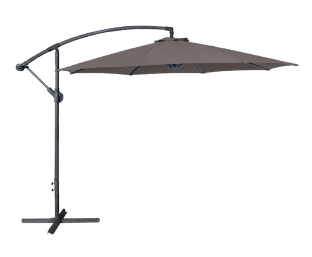
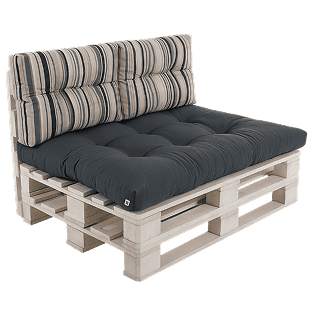
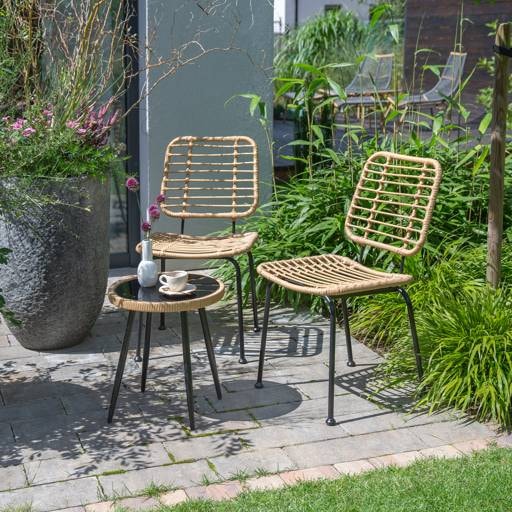
A terrace is more than just an outdoor space; it is a cozy extension of your living room and a place for relaxation. Japandi style is winning the hearts of design enthusiasts by combining the Japanese philosophy of Wabi-sabi with soothing Scandinavian Hygge. Learn how to create an arrangement full of harmony on your own. We suggest which colors, natural materials, and garden furniture to choose to invite peace into your space.
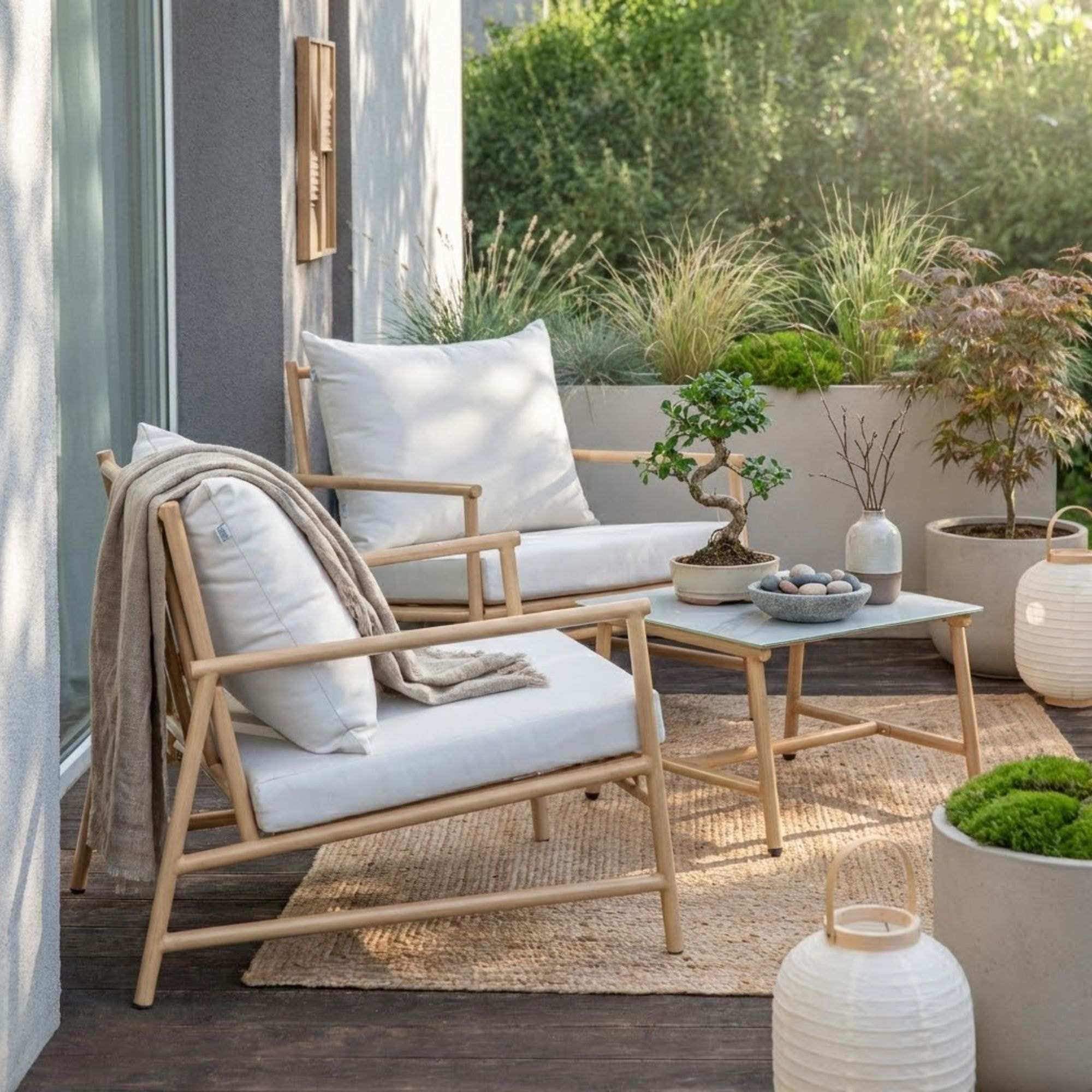
Japandi is not just a trendy hashtag on Pinterest; it is a thoughtful response to an overstimulated world. Currently, as our homes and gardens have become sanctuaries, this blend of Eastern tranquility and Northern coziness has become the number one choice. Why? Because Japandi teaches us how to live in harmony with nature without sacrificing the luxury of comfort.
Scandinavian comfort (Hygge)
Scandinavians know how to celebrate small pleasures, even when the weather is far from perfect. In a Japandi-style garden, Hygge is the foundation. It is not about the terrace just looking good in photos, but about inviting you to spend the entire afternoon there. Hygge is a promise of relaxation, like thick, soft cushions that wrap around you while reading, and textiles with distinct weaves that add warmth to the space. It is a celebration of a moment with coffee in hand, when time slows down for a while.
Japanese asceticism (Wabi-sabi)
On the other hand, we have Japanese Wabi-sabi, the heart and soul of the Japandi style. This philosophy teaches us to love nature as it is: authentic and raw. Here, the focus is on noble materials, rejecting plastic and artificiality. In your garden, this manifests through the choice of furniture made of natural larch wood, stone countertops, or weaves that look as if they came from a craftsman's hands. Beauty in simplicity—here, every element has its place. You don't need a lot of decorations. One table with a unique stone structure or an armchair with a rattan-effect backrest makes a greater impression than dozens of unnecessary gadgets.
By combining these two worlds, you get a terrace that is organized in a Japanese way. Minimalist, yet incredibly cozy in a Scandinavian way. It is a space that "breathes" and allows you to breathe.
Natural color palette
Creating a space in the spirit of Japandi is a selection process where every element has its justification. The first step is a conscious resignation from flashy colors in favor of a color palette taken straight from nature. The base of the arrangement consists of off-whites and warm beiges, which optically enlarge the terrace and provide a neutral background for the rest of the equipment. To break the monochromatic look, we introduce soothing sage green and deep wood browns, which immediately build an atmosphere of coziness. A key technique in the Japandi style is also the use of black or dark anthracite, as these strong accents in the form of furniture legs or details give the space a modern, graphic touch and depth.
Natural materials
The foundation of this aesthetic is natural materials that engage the senses and connect us with our surroundings. When choosing equipment, it is worth focusing on: materials like wood, raw stone countertops, and weaves that bring lightness and a unique structure to the terrace. At Patio, we focus on durability, which is why the perfect complement to this vision are modern materials imitating nature, which retain its beauty with much greater resistance. The whole should be finished with noble fabrics like linen and cotton on pillows or throws, which make raw minimalism soft and inviting.
Space and light
The last but equally important piece of the puzzle is space and light. In the Japandi style, we honor the principle that less is more, so instead of cluttering the patio with dozens of trifles, we choose a few expressive, comfortable pieces of furniture with clean lines. Open space allows for the free flow of energy and light, which is key to true rest. By avoiding visual noise and heavy forms, we transform the terrace into a place that not only looks stylish but, above all, allows you to "take a breath" and find inner peace every day.
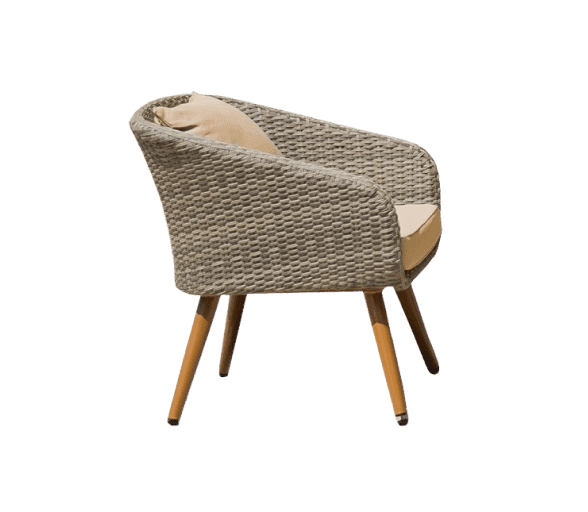
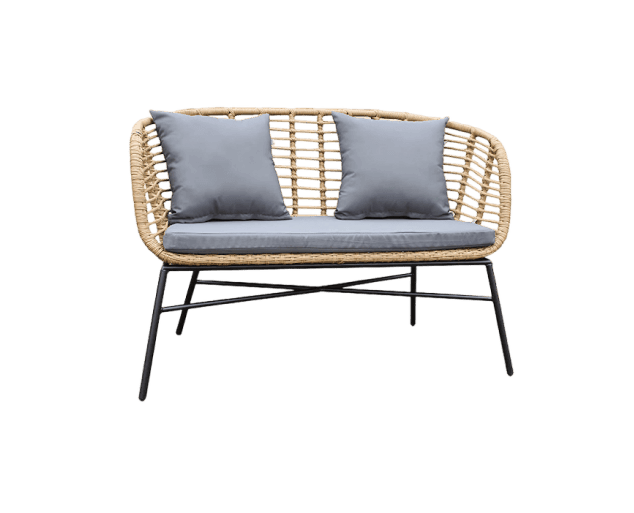
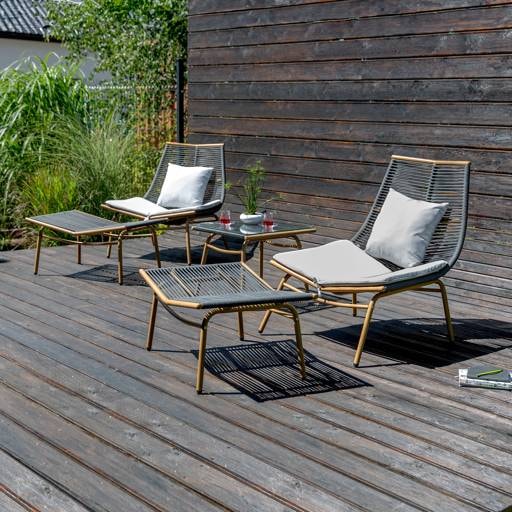
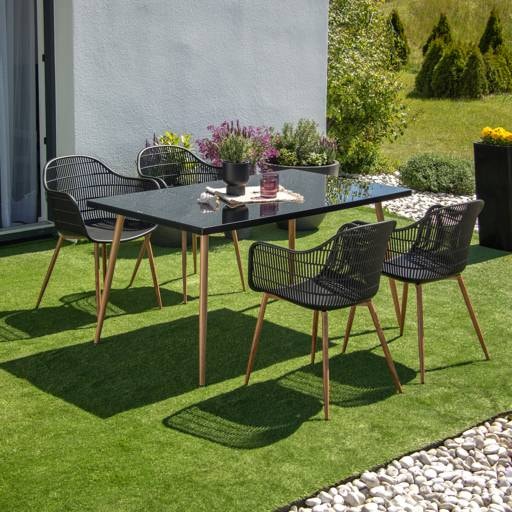
The foundation of a terrace in the spirit of minimalism is furniture that does not dominate the surroundings but becomes an integral part of it. When choosing equipment, it is worth looking for designs that combine visual lightness with the organic character of materials. An ideal example of this philosophy is the Bernadette set, which we consider the absolute quintessence of the Japandi style. Chairs with woven backrests and legs subtly styled to look like wood are a tribute to craftsmanship. This form of furniture introduces a desired openwork feel to the terrace, making even a smaller space seem spacious and full of peace.
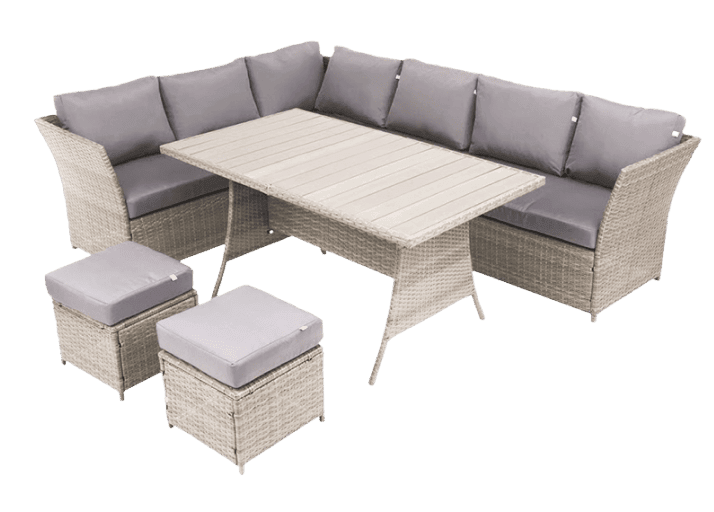
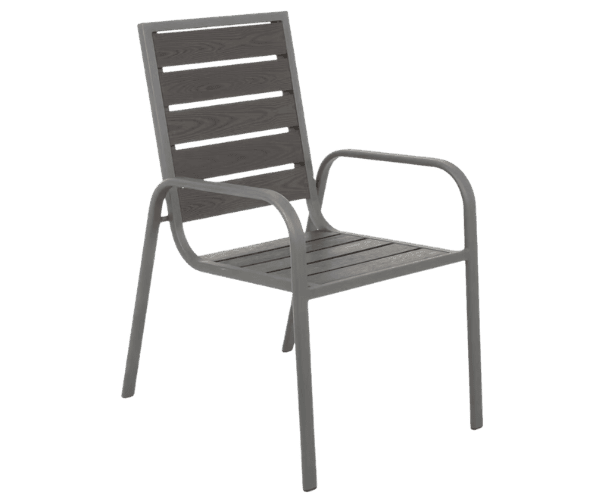
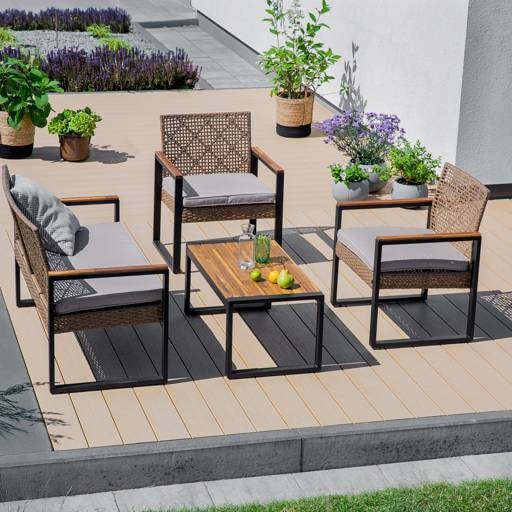
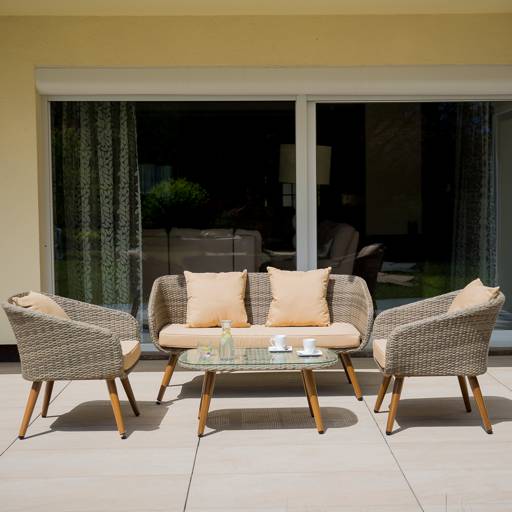
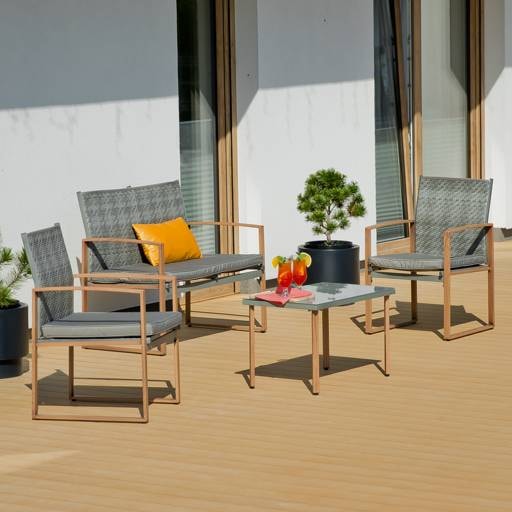
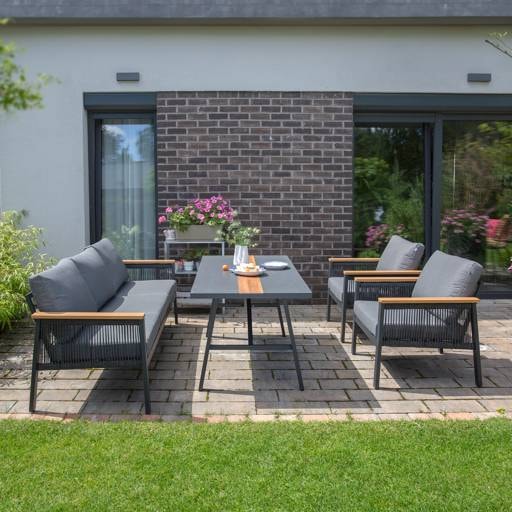
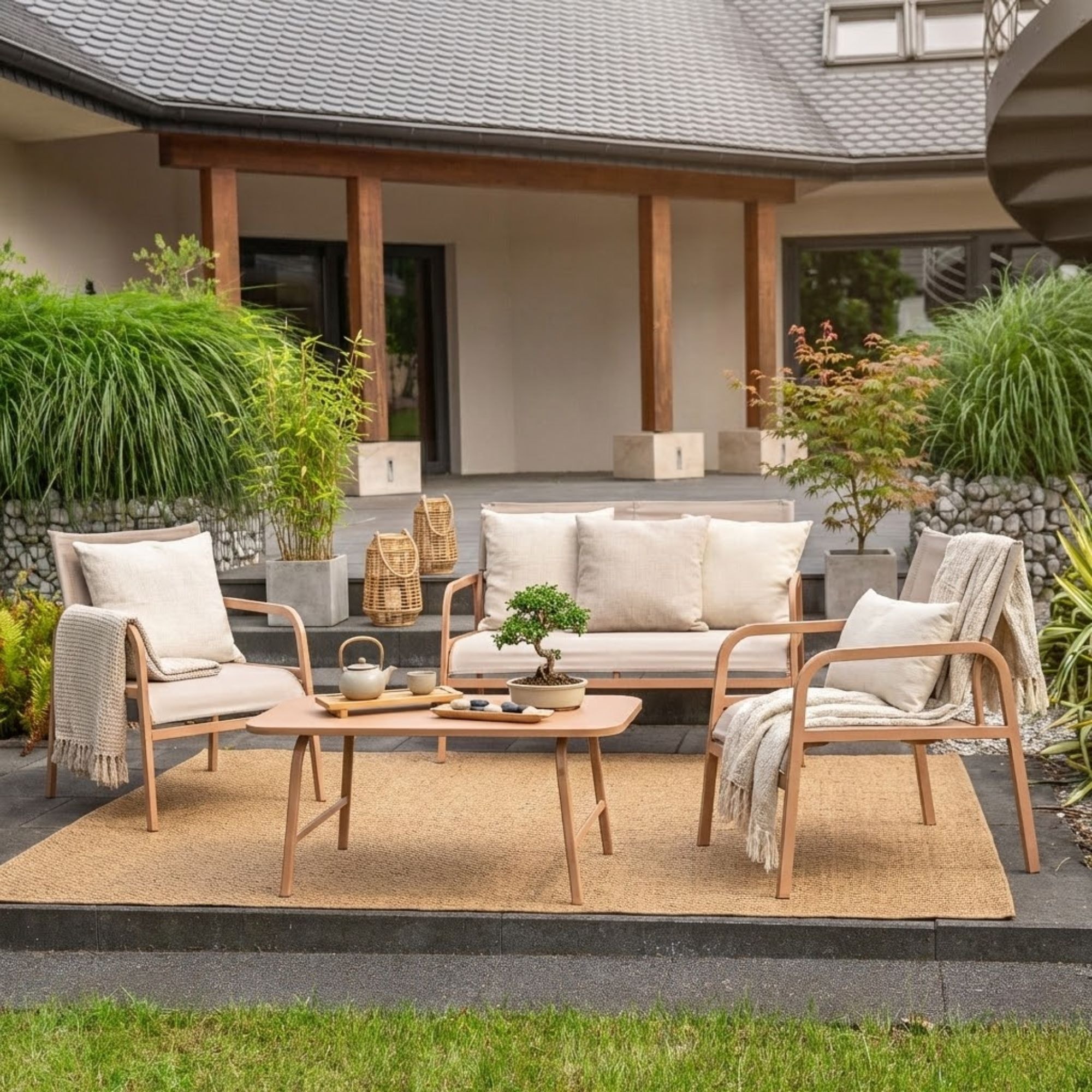
Japandi is also a return to roots, namely to wood, which ages with dignity and gives the arrangement nobility. The Larice series fits perfectly into this aesthetic, offering, among others, a rocking lounger made of larch wood. Its raw yet warm appearance introduces authenticity to the garden that no synthetic material can replace. For those looking for a balance between aesthetics and maximum functionality, we have prepared solutions such as the Estelle sofa or the Igor set. These pieces of furniture, despite their aluminum construction, perfectly imitate the structure of wood, offering the beauty of nature combined with extraordinary durability and resistance.
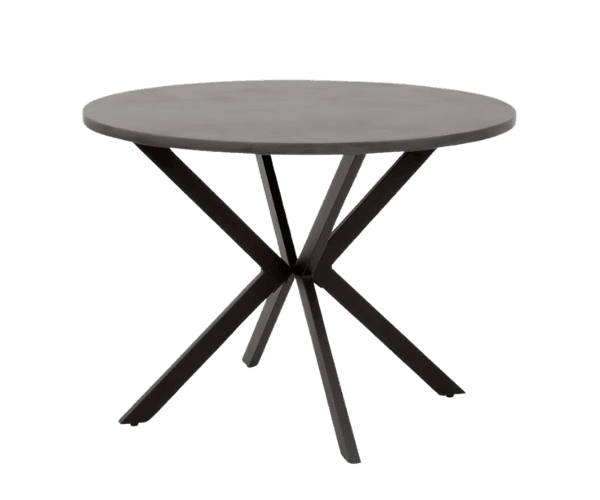
The center of every terrace, however, is the table—a place for meetings and celebrating moments together in the spirit of Hygge. In the Japanese approach to design, it is extremely important to soften sharp, geometric lines, which is why in the Patio collection we focused on tables with a stone top, such as Como or Roma. Their round forms and cool, raw stone texture provide a perfect counterweight to soft cushions and wooden accents. By choosing such a table, you gain not only a durable piece of furniture but, above all, a unique decorative element that, with its natural structure, resembles traditional Zen gardens, introducing the final touch of harmony to your relaxation zone.
The final stage of creating a terrace in the spirit of Japandi is the selection of details that will breathe life into the space and emphasize its relaxing character. In this aesthetic, greenery is not just a background, but plays the role of a living decoration intended to soothe the senses. Instead of a riot of colors, focus on a wealth of structures and shades of green. An ideal choice will be tall ornamental grasses, such as miskanty or rozplenice, which introduce movement and a subtle rustle to the garden with every gust of wind. If you want to add a distinct, Asian touch to the arrangement, it is worth inviting bambusy, klony japońskie with openwork leaves or minimalist mech in pots to the patio; these species best reflect the spirit of Japanese asceticism.
Just as important as the plants themselves are the settings in which we display them. Choose pots with simple and geometric forms made of materials imitating concrete. Their finish and subdued colors do not distract from the beauty of nature, but discreetly emphasize it. When darkness falls, the harmony of the terrace will be brought out by appropriate lighting. In the Japandi style, we move away from harsh spotlights in favor of lanterns and garlands giving warm, diffused light, which creates an intimate atmosphere conducive to night-time conversations.
Is the Japandi style timeless?
Yes, the Japandi style is timeless because it combines minimalism, functionality, and harmony with nature, which means it never goes out of fashion.
What is the Japandi style about?
The Japandi style combines the Japanese philosophy of Wabi-sabi, which is respect for nature and simplicity, with the Nordic Hygge, which emphasizes comfort and coziness, creating a space full of harmony, minimalism, natural materials, and subdued colors.
What plants for the Japandi style?
Plants with simple, elegant shapes and natural structures fit the Japandi style best, such as bambusy, klony japońskie, ornamental grasses (e.g., miskanty and rozplenice), as well as mech and green potted plants with a minimalist appearance.
What accessories are acceptable in the Japandi style?
In the Japandi style, accessories should be subtle and functional, such as simple ceramic pots, handmade lanterns, wooden or stone accessories, and textiles in subdued colors, e.g., smooth pillows and soft throws, which introduce coziness without cluttering the space.